
Web development · Negombo, Sri Lanka
A site that looks finished and a site that is ready are different things.
Plenty of Sri Lankan businesses pay for a website twice: once to build it, then again when it turns out to be slow, invisible to Google, or impossible to edit. The second bill is avoidable, and the way to avoid it is a checklist before launch.
Sites fail for boring reasons
Almost nothing goes wrong because of the design. It goes wrong because a hero image is served at four thousand pixels wide to a phone, because eleven plugins each load their own copy of a JavaScript library, because a page builder writes forty nested divs to draw a button, or because a caching plugin was installed to hide all of it.
The other common failure is invisible until it is expensive. A business pays for a redesign, the new site launches with different URLs, nobody sets up redirects, and the rankings that took three years to build disappear in a fortnight. Recovering from that costs more than the redesign did.
Building with search in mind from the start is mostly a matter of not creating these problems, rather than fixing them later with tools.
What a build includes
Design and build
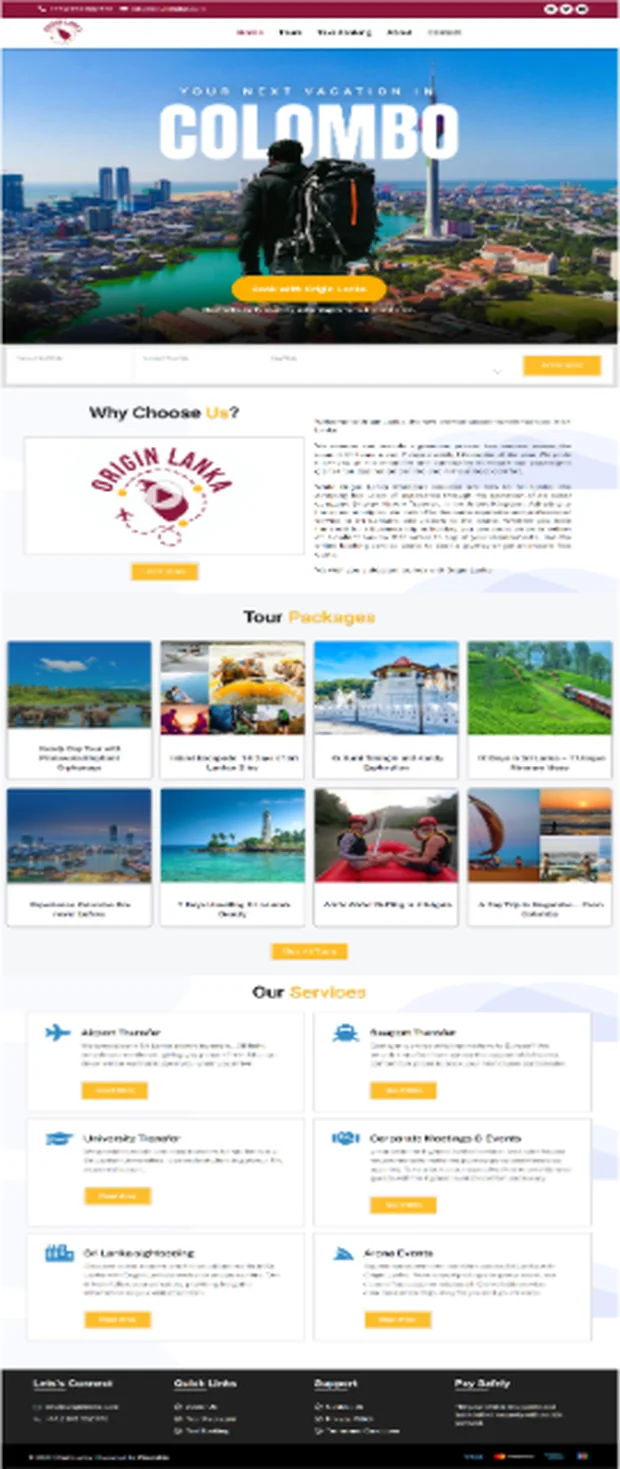
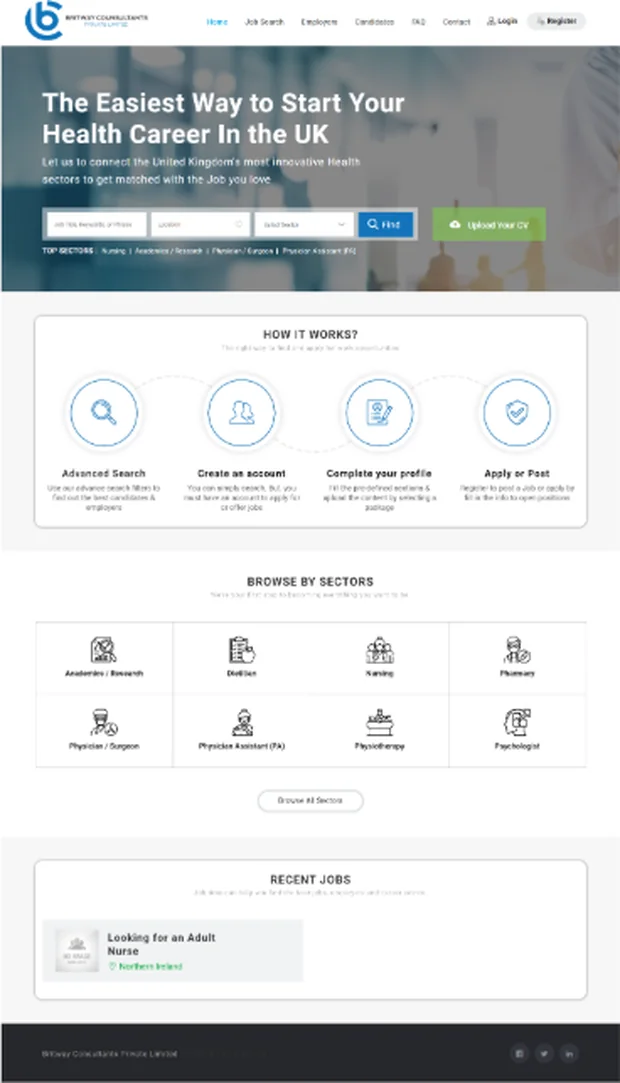
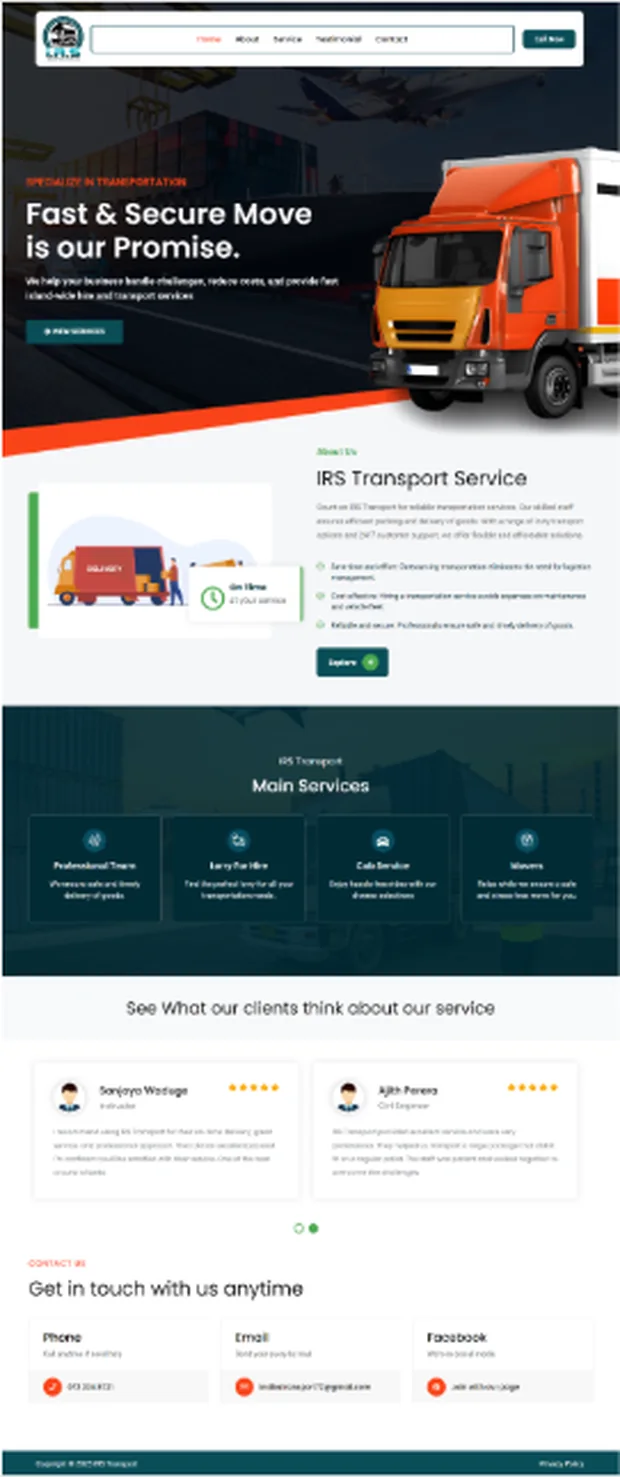
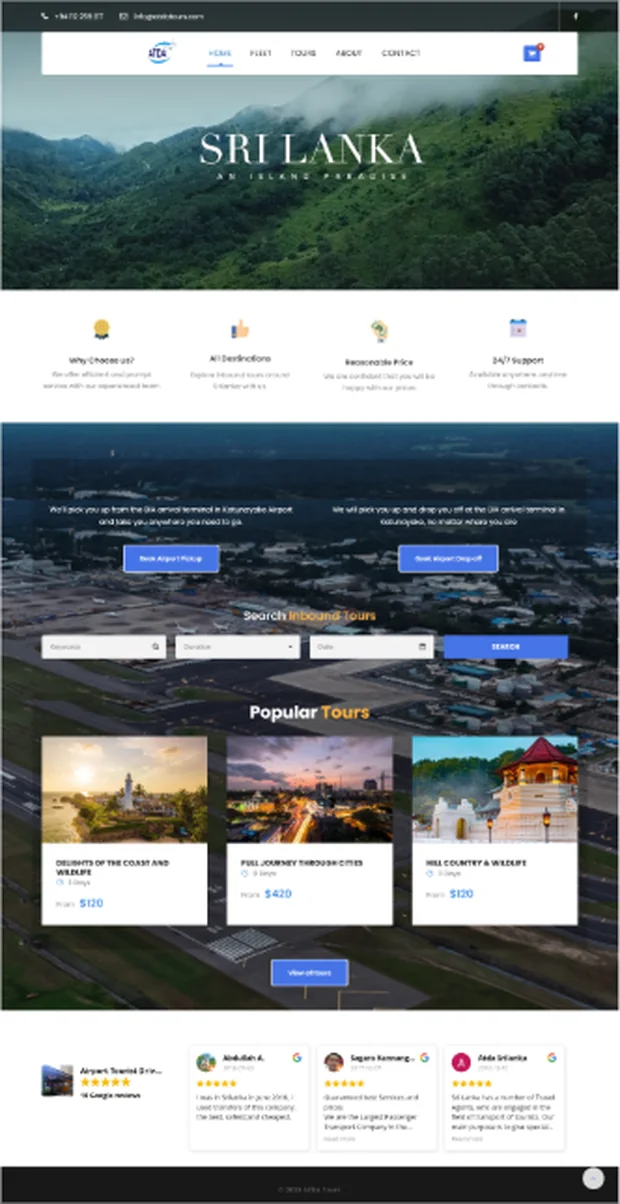
Responsive layouts designed for the pages that actually earn money, not a template filled with placeholder sections nobody will read.
WordPress development
Themes and page structures set up so you can edit content without breaking layout, with plugin count kept deliberately low.
Technical SEO foundations
Clean URL structure, internal linking, canonical tags, XML sitemaps and schema markup built in rather than bolted on with a plugin afterwards.
Speed engineering
Modern image formats at correct dimensions, restrained third-party scripts, sensible font loading and caching configured properly rather than used as a disguise.
Redesign migration
Full URL inventory, ranking and traffic baseline, and a complete 301 redirect map tested before the new site goes live.
Tracking and forms
GA4 and Tag Manager configured so enquiries, WhatsApp clicks and calls are measurable from day one, with forms that reach you reliably.






WordPress or a static build
This gets decided by how often you need to change things, not by which is faster to produce.
| Consideration | WordPress | Static build |
|---|---|---|
| Publishing new content yourself | Straightforward, built for it | Needs a developer or a CMS layer |
| Speed with no tuning | Depends heavily on theme and plugins | Fast by default |
| Hosting cost | Requires PHP hosting and upkeep | Minimal, often near zero |
| Security maintenance | Regular core and plugin updates needed | Very little surface to attack |
| Best suited to | Blogs, news, frequently updated service sites | Brochure sites, landing pages, portfolios |
A common answer is both: a fast static or lightly built front end for the pages that sell, with WordPress kept for the blog. That keeps publishing easy without letting the blog slow down the pages that convert.
How a build runs
Scope and sitemap
What pages exist, what each one is for, and which search terms it should target. Agreeing this first prevents the endless additions that stall most projects.
Content and design
Copy and photography gathered in parallel with design. This is the stage that decides the timeline, so it starts immediately rather than at the end.
Build and technical setup
Development, schema, tracking and, for redesigns, the redirect map. Everything is tested on a staging URL that is blocked from search engines.
Launch and watch
Go live, submit sitemaps, confirm redirects resolve, and monitor Search Console for crawl errors and ranking movement across the following weeks.
Questions about building a site
How much does a website cost in Sri Lanka?
It depends on page count, how much custom design is involved, and whether you need booking, payments or multiple languages. Describe what the site has to do and you get a scope and a figure back — along with an honest view on whether a rebuild is needed at all. Hosting and domain are billed separately and stay in your name.
How long does a website take to build?
A straightforward site takes three to five weeks from approved content. The delay is almost always content rather than development, so writing and photography start early. Larger builds with booking or payment integration run six to ten weeks.
Do you build on WordPress or custom code?
Both, chosen by what the site has to do. WordPress suits sites where the owner needs to publish regularly. A static or custom build is faster and cheaper to host for sites that rarely change. The decision is made on your editing needs, not on what is quicker to produce.
Will my site be fast on mobile?
Speed is a build requirement rather than an afterthought. That means images served in modern formats at the right size, restraint with plugins and third-party scripts, and Core Web Vitals checked before launch rather than patched with a caching plugin afterwards.
Can you redesign my existing site without losing rankings?
Yes, and this needs care. A redesign that changes URLs without redirects can lose rankings that took years to build. The process starts by recording current URLs, rankings and traffic, then mapping every old URL to its new destination with 301 redirects before launch.
Do you provide hosting and maintenance?
Hosting can be arranged, but it is set up under your own account so you always control it. Monthly maintenance covering updates, backups, uptime checks and security patching is available separately for sites that need it.
Get a build estimate
Describe what the site needs to do and you get a scope and a price range, plus an honest view on whether a rebuild is necessary at all. Sometimes the existing site is fine and the problem is elsewhere.
WireCabin (PVT) LTD
No. 293/1/A, Batepola, Dunagaha 11264
Western Province, Sri Lanka
+94 71 640 8715
kasun@wirecabin.com
Mon–Fri, 08:30–22:00